About Foodiculture
Ancestral grains, examined with modern food science
Foodiculture was built on the belief that millets deserved better than boring, compromised snack formats — and that closing that gap takes real food technology, not just good intentions.

Origin Story
Two founders, a lot of late nights, one shared question
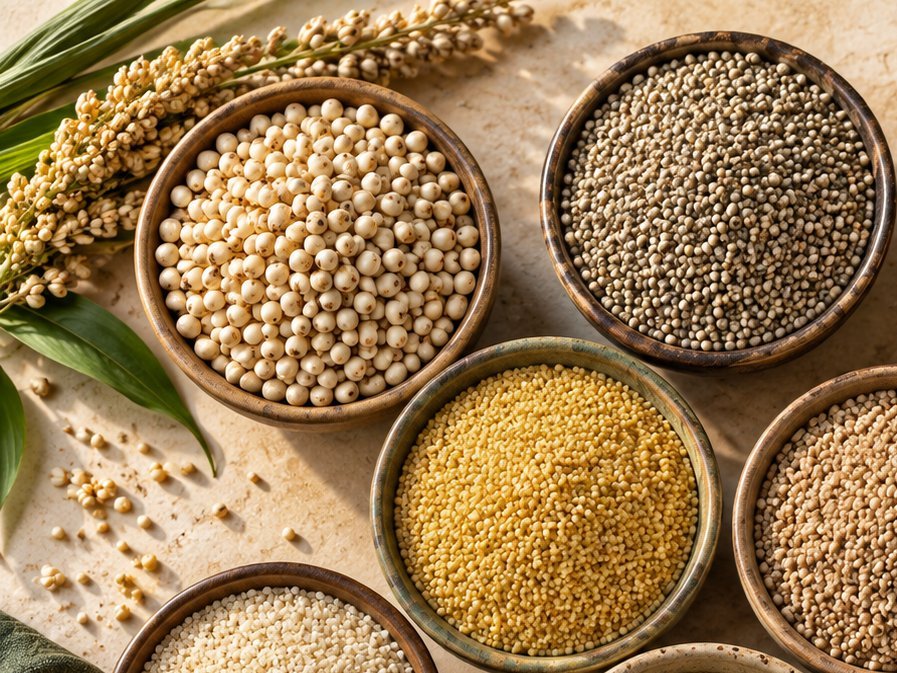
Foodiculture came out of late-night snack experimentation, prior startup experience and hands-on exploration of ancient grains — brought together by two South Indian startup veterans, one of them a trained food technologist.
The question that started it all was simple: why did healthier grains so often mean a worse snack? That question shaped everything that followed.
Problem / Opportunity
Millets kept getting stuck in boring or compromise formats
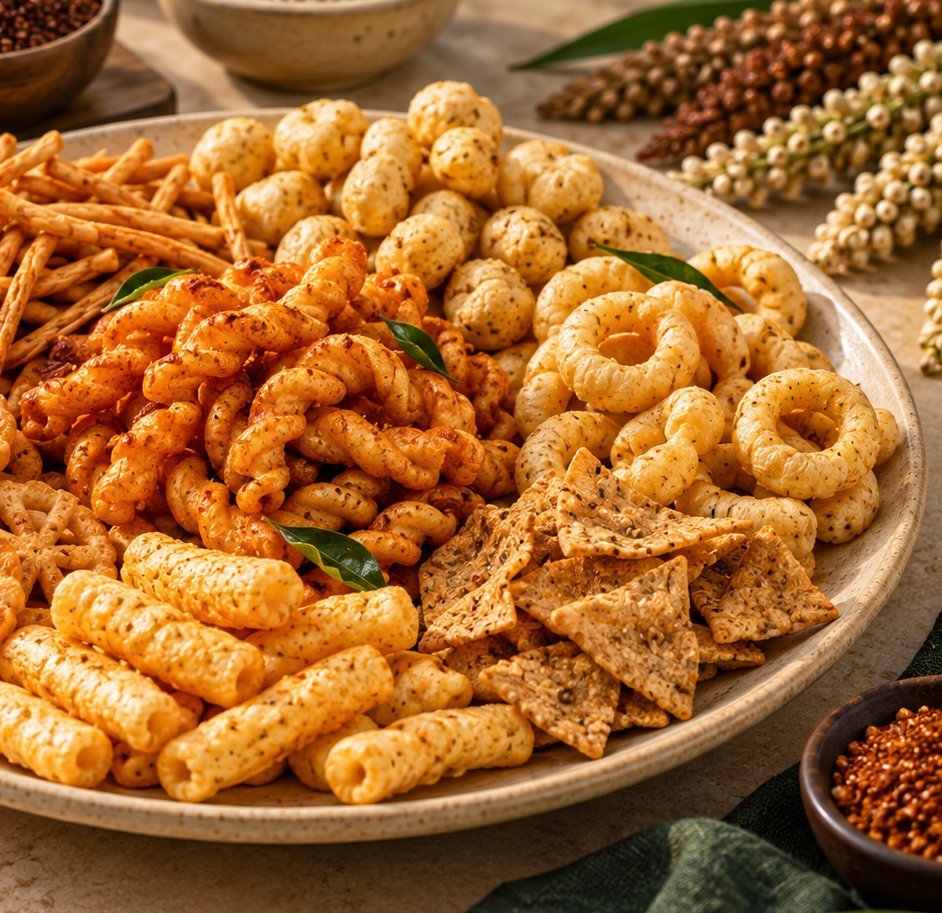
Too many millet snacks on the market asked people to trade away crunch, flavour or texture in exchange for a healthier grain base. That trade-off is exactly what Foodiculture set out to remove.
The opportunity was clear: brands wanted better-for-you formats, but needed a manufacturing partner who could deliver them at commercial quality and scale.
Food Experimentation
Formats, flavours and textures — tried, tasted, and tried again
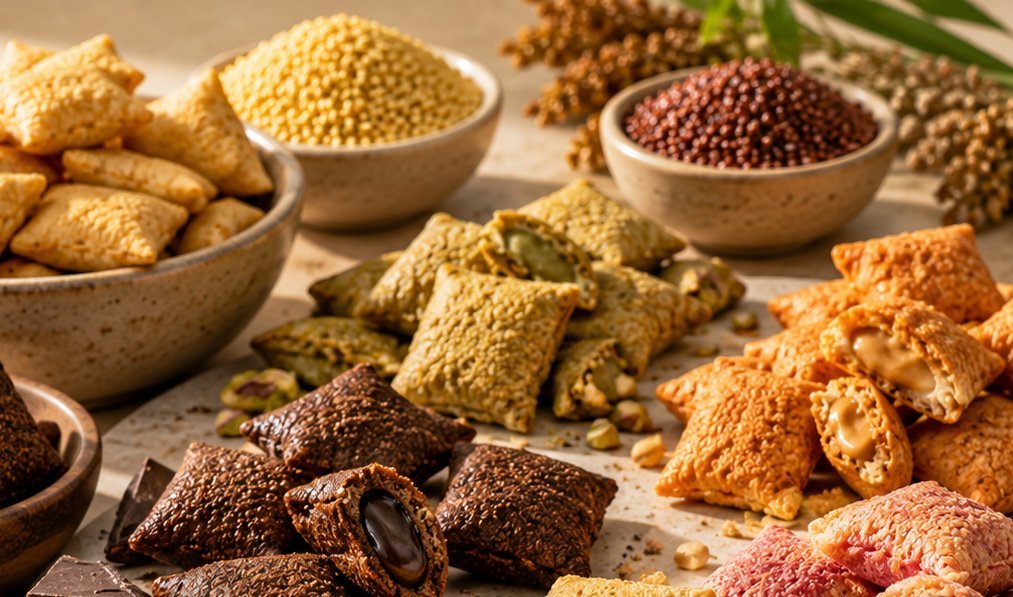
Early development leaned on relentless kitchen-table experimentation: testing grain blends, extrusion shapes, flavour directions and fillings against the simple standard of "would you reach for this twice?"
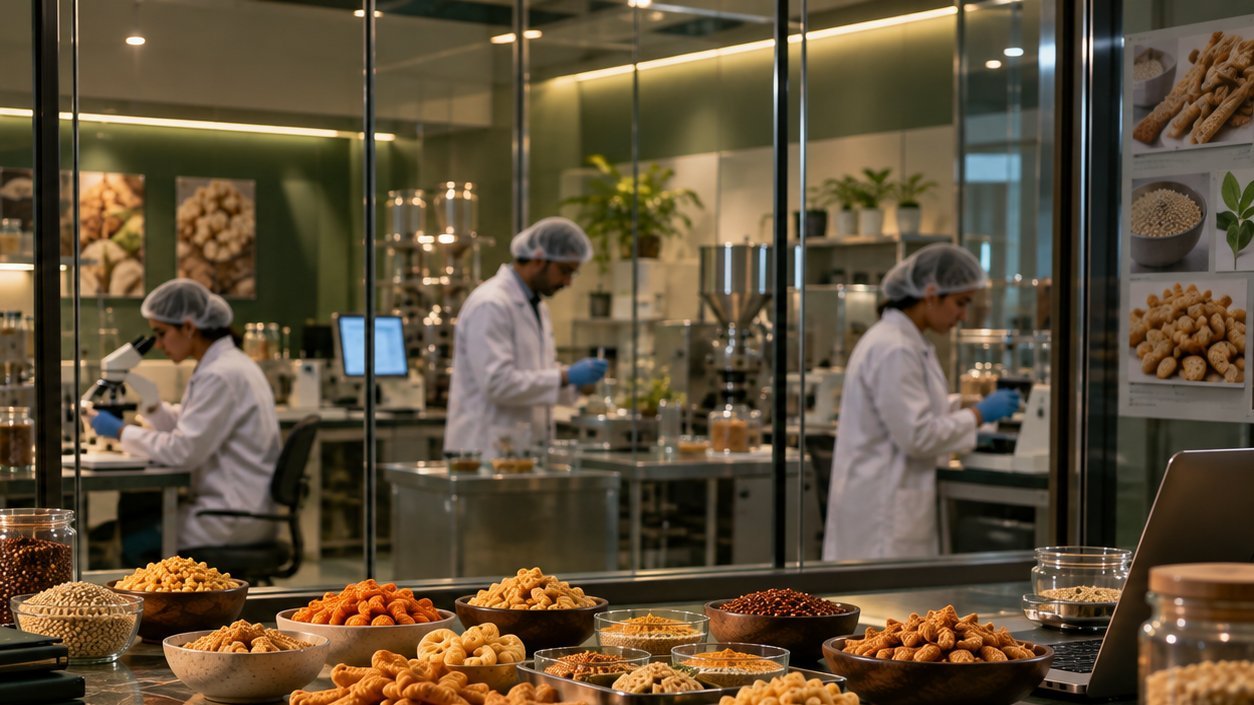
Food Technology & R&D
Where experimentation turns into a repeatable process
Every promising idea moves through structured food-technology development — grain characterisation, process trials and format refinement — before it is ever considered ready for a pilot run.
This is what lets Foodiculture hand a brand something that performs the same way on day one thousand as it did in the very first trial batch.
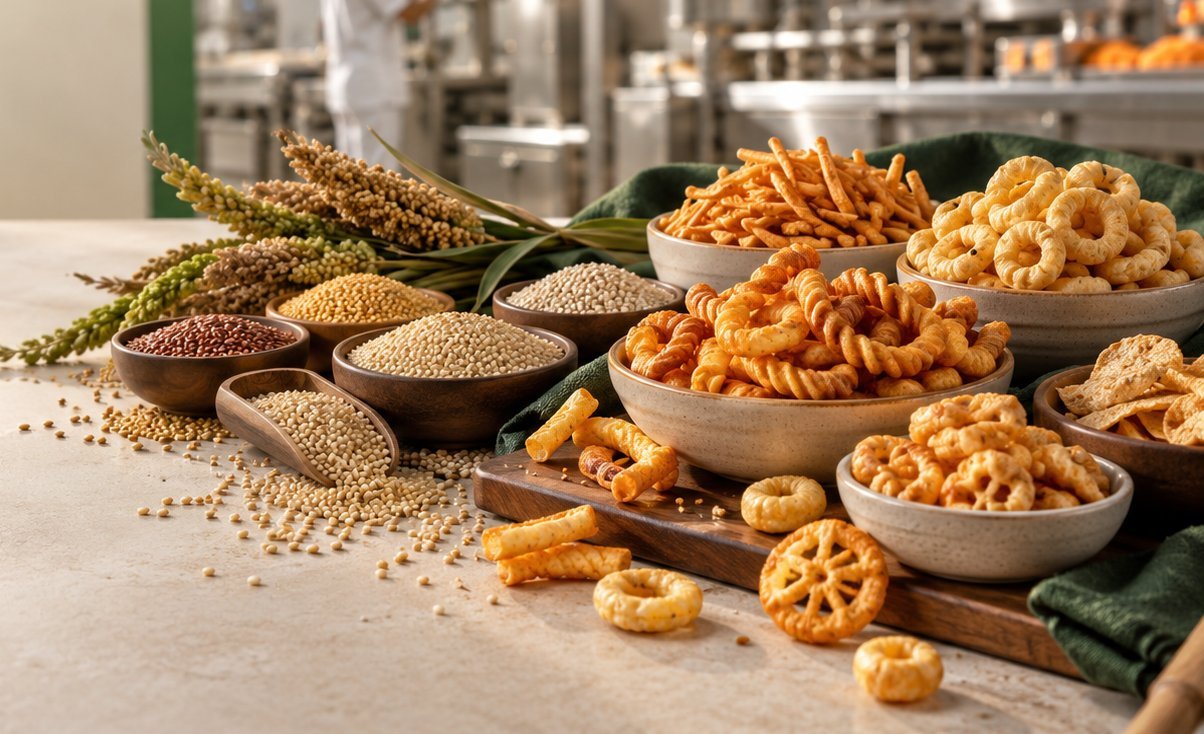
Ancient Grains + Modern Science
The bridge is the whole idea
Foodiculture treats ancient grains and modern food science as two halves of the same approach — ancestral nutrition on one side, advanced food technology and manufacturing execution on the other.
Neither half works alone. It’s the bridge between them that turns a climate-resilient grain into a craveable, commercially viable product.
Better-for-you should never mean settling for less. Our philosophy is to make the healthier grain the better-tasting choice, not the compromise.— The Foodiculture Philosophy
Want to bring this approach to your brand?
Let’s talk about where a millet-based format could fit your product line.